Duncklee Inc. understands that a well-maintained HVAC system is key to comfort, energy efficiency, and reliability. Regular servicing helps keep indoor air quality high and reduces the risk of unexpected breakdowns. A thoughtful maintenance plan tailored to your equipment and climate can save money over time and extend the life of your system.
Why Regular Maintenance Matters
A properly serviced HVAC system operates more efficiently, which can lower monthly energy bills. Regular checks also help catch worn components, refrigerant leaks, or airflow limitations before they cause major failures. From safety concerns with gas-fired equipment to improved humidity control and filtration, routine service supports comfort and health in your space. For property managers and homeowners alike, a proactive maintenance approach reduces the likelihood of costly repairs and emergency callouts.
Recommended Service Frequency
For most systems that provide both heating and cooling, many manufacturers and industry guidelines suggest two preventive maintenance visits per year—one in the spring for cooling equipment and one in the fall for heating equipment. If your system is dedicated to heating only or cooling only, a single annual service is typically appropriate. However, extremes of climate, heavy usage, or aging equipment may warrant additional inspections to maintain peak performance. In short, the goal is to align service frequency with how you use the HVAC system, the system type, and the local climate.
What Happens During a Typical Service
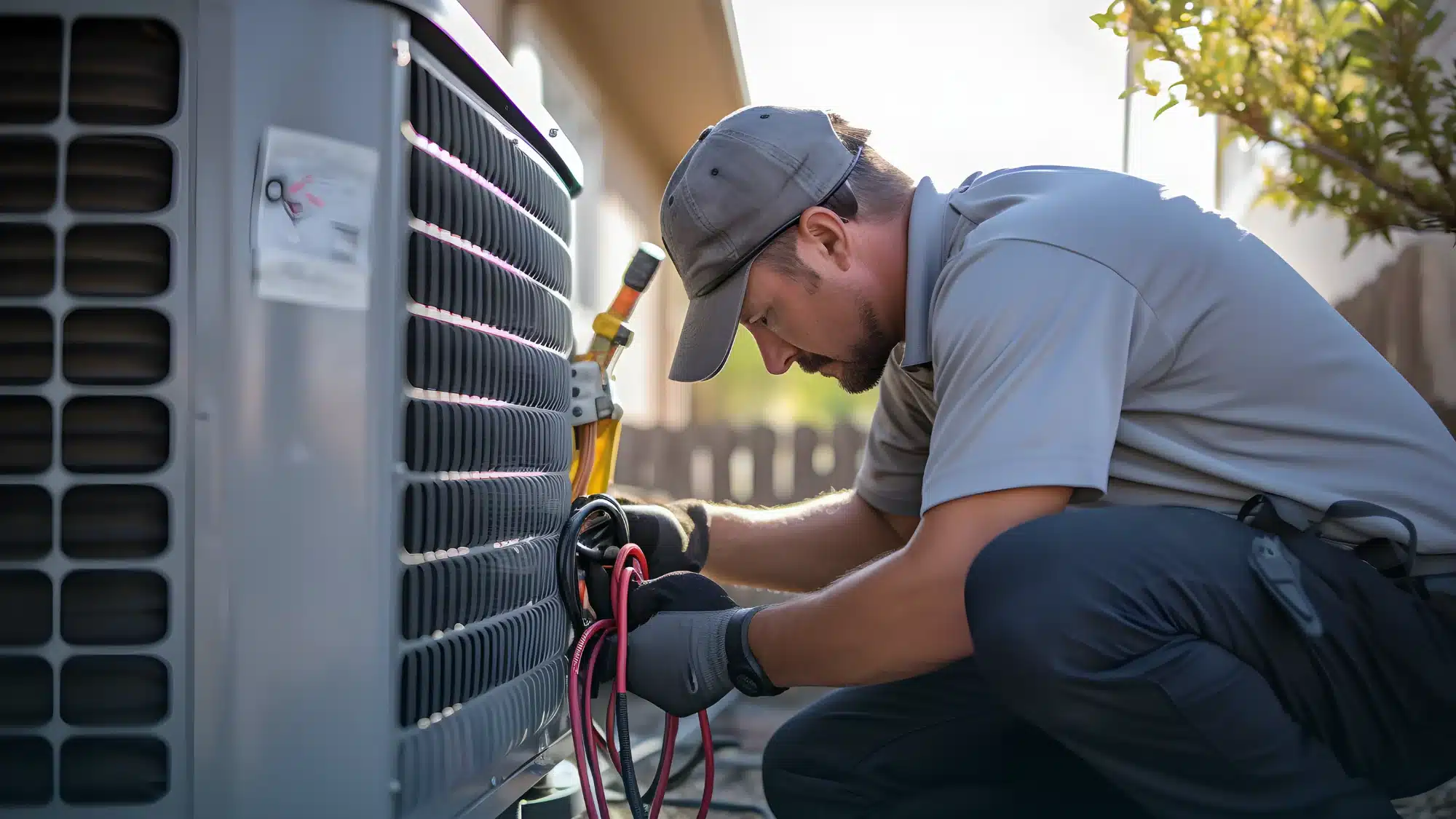
A professional tune-up covers several essential steps to ensure efficient operation and safety. It commonly includes:
- Thorough inspection of all components, including motors, fans, belts, electrical connections, and safety switches.
- Verification of refrigerant levels and refrigerant coil inspection for leaks.
- Cleaning or replacing filters and inspecting ductwork for airflow restrictions.
- Calibration of the thermostat and assessment of overall system cycling.
- Cleaning of condensate drains and checking for moisture-related issues.
- Lubrication of moving parts (where applicable) and verifying that the outdoor unit is free of debris.
This service approach helps keep the HVAC system running as designed, maintaining efficiency and reducing the chance of unexpected failures.
Seasonal Considerations
Pre-season checks are especially beneficial before peak summer and winter periods. In summer, the focus is on cooling efficiency, airflow, and refrigerant integrity. In winter, emphasis shifts to safe operation of heating equipment, burner or heat source performance, and heat transfer. Tailoring maintenance to seasonal demands helps optimize comfort and energy use while minimizing disruption during extreme weather.
Signs You Might Need Service Sooner
Even with a regular maintenance schedule, certain signs warrant prompt attention:
- Uneven heating or cooling and unexplained temperature swings.
- Higher energy bills without a change in usage.
- Odd noises, odors, or increased dust buildup.
- Frequent cycling on and off or longer run times without achieving set temperatures.
- Moisture or water leaks around the indoor unit or condensate lines.
If you notice these indicators, contact Duncklee Inc. or another licensed HVAC professional to diagnose and address issues before they escalate.
Choosing a Service Provider
When selecting a contractor, look for licensing and insurance, clear written estimates, and references from local customers. Ask about maintenance plans that bundle inspections, cleanings, and priority service. A reputable provider will tailor a maintenance schedule to your HVAC system, explain recommended services, and provide transparent pricing.
Cost Considerations and Potential Savings
Regular maintenance represents a smart investment. While the upfront cost of inspections and tune-ups varies by region and system type, the long-term savings come from improved efficiency, better indoor air quality, and fewer unexpected repairs. Well-maintained equipment typically operates closer to its design efficiency, translating to lower monthly energy costs and extended equipment life.
Quick Maintenance Tips
- Change or clean filters as recommended by the manufacturer.
- Keep the outdoor unit clear of leaves, debris, and vegetation.
- Schedule professional inspections at least annually (more often for combined heating/cooling systems).
- Use a programmable thermostat to maximize efficiency when the space is unoccupied.
Maintaining an HVAC system at appropriate intervals is a practical way to sustain comfort, energy efficiency, and reliability. For tailored guidance and professional service, consider scheduling a preventative maintenance visit with Duncklee Inc. A proactive approach now can help prevent costly repairs later and keep your system performing at its best year after year. If you’re ready to optimize performance, contact Duncklee Inc. to arrange a convenient service visit.
