
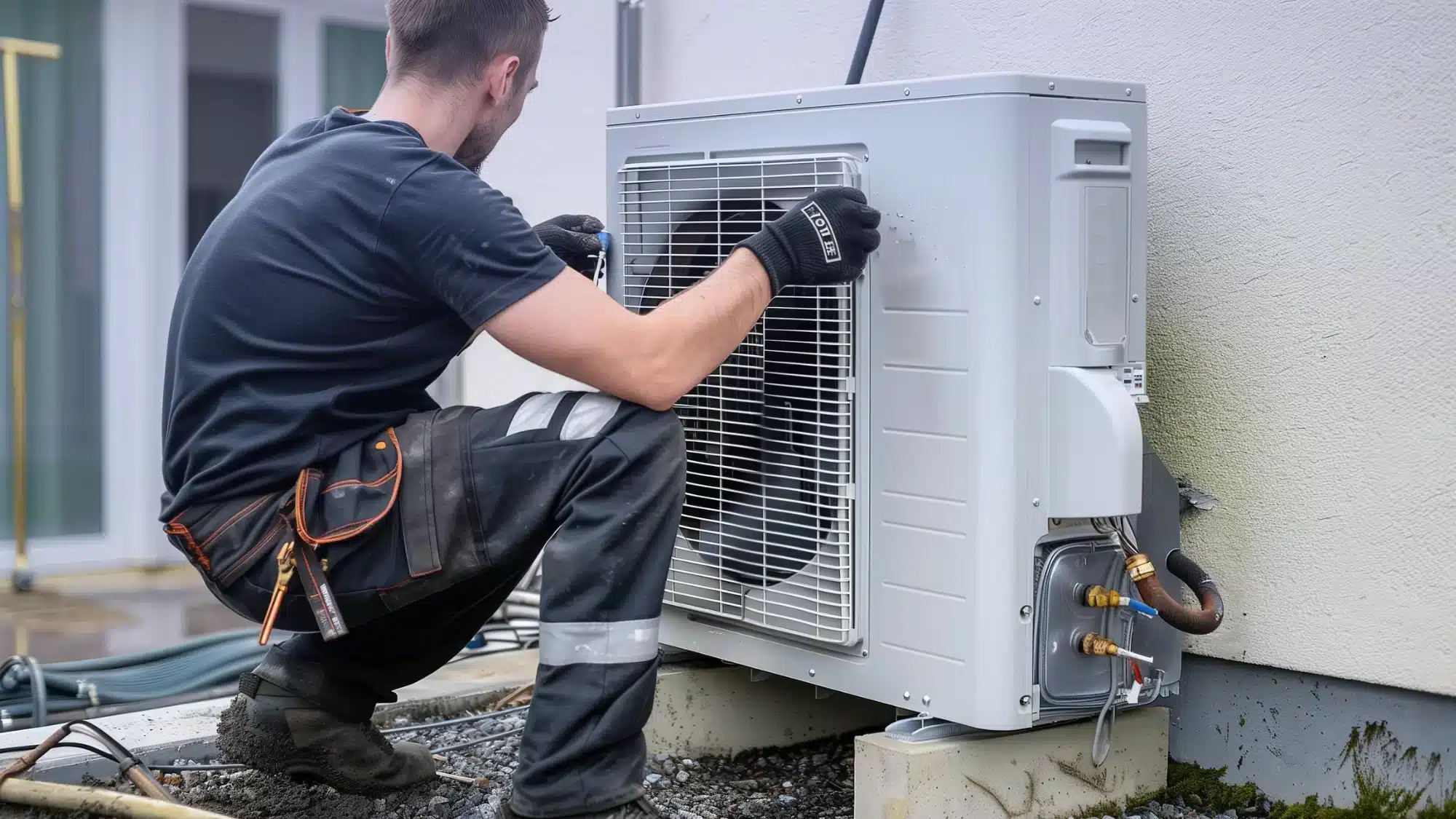
Heat pump systems offer an efficient way to heat and cool spaces by transferring heat rather than generating it. With proper design and installation, a heat pump system can deliver year-round comfort while reducing energy use and greenhouse gas emissions. This article explains how heat pump technology works, the different system types, and what to consider when evaluating options for a home or building.
What is a Heat Pump System?
A heat pump system moves heat between indoor and outdoor environments using a refrigerant cycle. In heating mode, the system extracts heat from the outside air (or from the ground or water, in other configurations) and delivers it indoors. In cooling mode, the process reverses, removing heat from the indoor space and releasing it outdoors. The key advantage is efficiency: rather than creating heat, the system transfers it, which typically requires less energy than a traditional furnace or boiler.
How a Heat Pump System Works
- The cycle begins at the outdoor unit, where the refrigerant absorbs ambient heat in the evaporator coil.
- The refrigerant is compressed by a variable-speed compressor, increasing its temperature.
- The hot refrigerant releases heat inside the building through the indoor condenser coil.
- The refrigerant expands through an expansion valve, cooling and returning to the evaporator to repeat the cycle.
- A reversing valve enables cooling by flipping the cycle, so the indoor unit becomes a condenser, and the outdoor unit becomes the evaporator.
Types and Configurations
- Air-source heat pumps: The most common residential option. They draw heat from outdoor air and are suitable for moderate climates. Modern air-source systems can operate efficiently even at lower outdoor temperatures with auxiliary or backup heat if needed.
- Ground-source (geothermal) heat pumps: Use stable temperatures below the ground or a body of water to exchange heat. These systems tend to deliver high efficiency but require underground or trenching work for installation.
- Water-source heat pumps: Employ a nearby water source as the heat transfer medium. They are less common in residential settings but can be effective where a suitable water supply exists.
- Ducted vs. ductless configurations: Ducted systems distribute conditioned air through a network of ducts, suitable for whole-house cooling and heating. Ductless mini-splits are ideal for zones or additions where running ducts is impractical.
Efficiency and Performance
Coefficients of performance (COP) and energy efficiency ratios (EER/SEER) describe a heat pump’s efficiency. In heating mode, COP indicates how many units of heat are produced per unit of electrical energy consumed.
In general, heat pump systems offer higher efficiency in moderate climates. The performance improves with newer refrigerants, advanced inverter-driven compressors, and well-insulated buildings.
For homes in colder regions, some heat pump systems include supplemental electric resistance heat for extreme conditions. This is typically only used during cold snaps and adds to operating costs, so proper sizing and climate-appropriate equipment selection are important.
Buying and Sizing Considerations
- Proper sizing matters: an undersized system struggles to meet demand, while an oversized system cycles too frequently and reduces comfort and efficiency.
- Look for reliable efficiency metrics: a higher SEER (cooling efficiency) and a higher HSPF or COP (heating efficiency) usually indicate better long-term performance.
- Refrigerant choice and environmental impact: Many newer systems use low-GWP refrigerants with favorable environmental profiles.
- Installation quality: proper refrigerant charge, electrical connections, and ductwork are crucial for optimal performance. A qualified installer should perform a load calculation, system commissioning, and test for leaks.
Maintenance Tips for Peak Performance
- Schedule regular professional inspections to check refrigerant levels, electrical components, and the outdoor unit’s clearance.
- Clean or replace filters as recommended, and keep the outdoor unit free of debris.
- Monitor for unusual noises, temperature inconsistencies, or sudden changes in heating or cooling performance.
Why Choose a Heat Pump System
A heat pump system can provide consistent comfort with lower operating costs when compared to traditional heating and cooling equipment. They also reduce fossil-fuel dependence and can contribute to lower carbon footprints for homes and small- to mid-size buildings. If you’re evaluating options, a professional assessment can determine whether a heat pump is the right fit for your climate, insulation, and budget.
If you’re considering upgrading your climate control, Duncklee Inc. can help assess your site, compare heat pump system options, and provide expert installation and ongoing maintenance. Contact Duncklee Inc. today to request a quote or schedule a consultation to determine the best approach for your home or building. A well-designed heat pump solution offers reliable comfort, energy efficiency, and a path toward long-term savings.
