
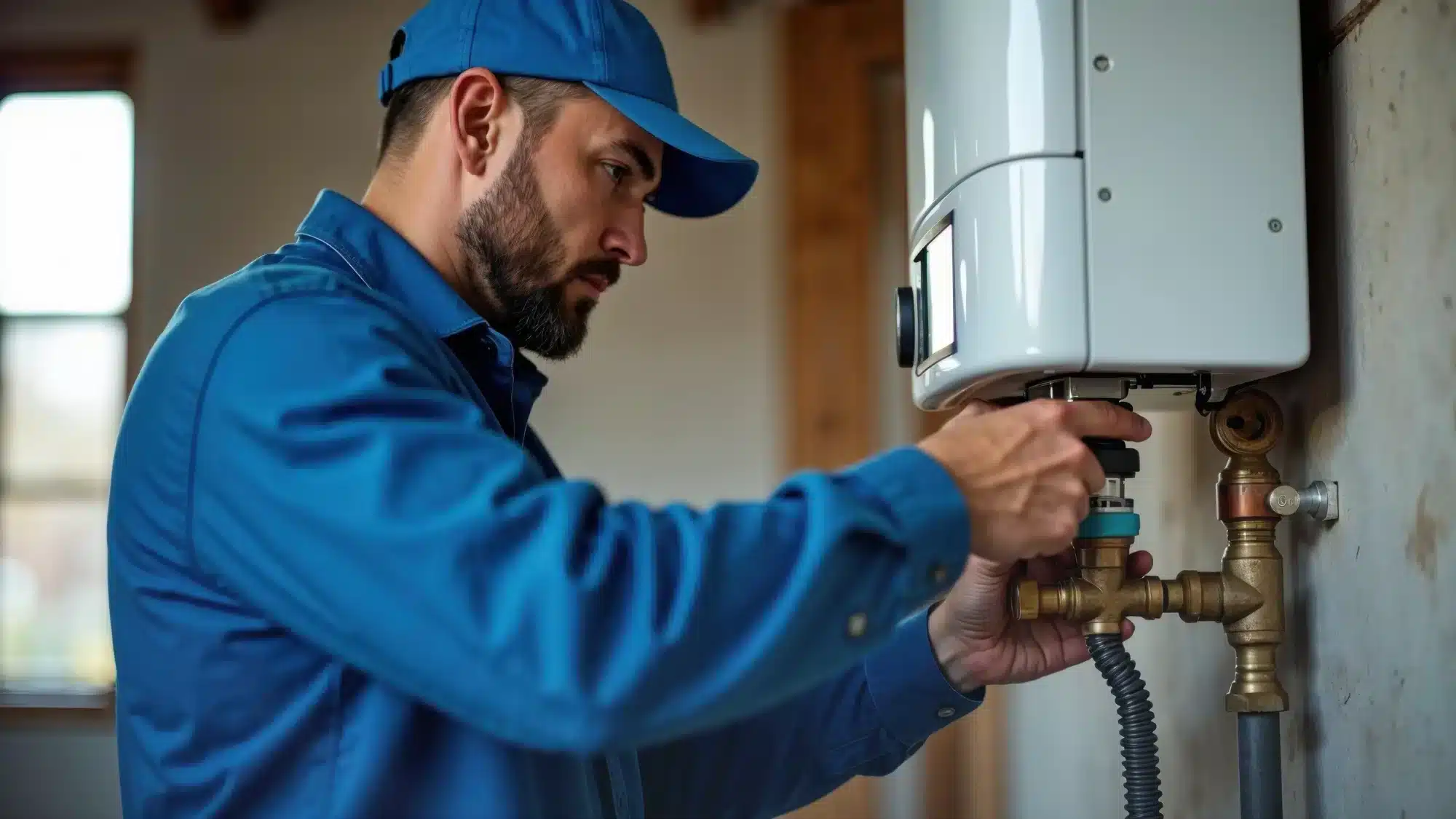
When a heating system fails during a cold spell, residents and businesses rely on professional companies to restore comfort quickly and safely. This guide explains how emergency heating repairs are typically handled, what to expect during the process, and how to choose a reliable provider. If you’re looking for trusted options in your area, searching “heating and cooling near me” is a common first step to identify qualified local teams, such as Duncklee Inc., that offer rapid, professional service.
What counts as an emergency heating repair?
An emergency is when a heating system is completely down or presents a safety risk. Examples include a furnace that won’t ignite, a broken heat pump in freezing weather, a boiler that won’t circulate hot water, or a gas furnace with a strong odor or signs of a possible leak. Carbon monoxide detectors showing elevated levels or a smell of gas are critical safety red flags that require immediate professional attention. In such cases, do not attempt DIY fixes; contact a licensed heating professional right away.
The first contact: triage and dispatch
Most reputable companies operate 24/7 for emergencies. When you call, a trained dispatcher will collect essential details: your address, the type of system, symptoms, and any safety concerns. They’ll assess urgency and provide an estimated arrival time. Some providers may charge a diagnostic or after-hours fee, with options to obtain an upfront written estimate if repairs are extensive. This initial triage helps technicians prioritize calls and prepare the necessary tools and parts before arriving.
On-site evaluation and safety checks
Technicians begin with a safe, thorough on-site assessment. Key steps include:
- Verifying system type (gas, oil, electric, or heat pump) and confirming energy source.
- Checking safety mechanisms, including pilot lights, igniters, gas valves, and electrical connections.
- Testing for proper thermostat operation and system sequencing.
- Conducting an essential carbon monoxide safety check and ensuring detectors are functioning.
- Inspecting ductwork, heat exchangers, and condensate lines for future issues.
If gas is involved or leaks are suspected, technicians will take immediate safety precautions and coordinate with the utility if needed.
Diagnostic process and typical repair steps
After the initial evaluation, technicians diagnose the root cause. Common issues in emergency repairs include:
- Faulty igniters or flame sensors in gas furnaces.
- Malfunctioning heat pumps or compressors.
- Electrical failures, blown fuses, or failed capacitors.
- Blocked condensate drains or clogged filters affecting airflow.
- Damaged outdoor units due to ice, debris, or weather exposure.
Repairs may involve replacing worn components, cleaning or tightening connections, or, in some cases, recommending a temporary heat source while awaiting a part. Many parts are stocked in vehicles or locally on-hand, while broader components may require a quick ordering process. A reliable technician will explain the problem, outline the proposed fix, and provide a written estimate before beginning work when feasible.
Pricing, warranties, and guarantees
Transparency is critical. Expect a breakdown of:
- Diagnostic or diagnostic-travel fees.
- Labor charges and estimated duration.
- Parts costs and warranty terms.
- Any after-hours surcharges.
Reputable companies offer warranties on parts and labor. If a component fails soon after a fix, contact the provider to review options under warranty.
Choosing a professional company (quality indicators)
When selecting a contractor after an emergency, look for:
- Licensed, insured technicians and compliance with local regulations.
- Certifications from recognized bodies (e.g., NATE-certified).
- Clear, upfront pricing and written estimates.
- Evidence of emergency service capability and response times.
- Positive customer reviews and transparent communication.
For readers searching “heating and cooling near me,” verify that the company is within your service area and can handle the specific system type you use (furnace, boiler, or heat pump).
Preventive steps to reduce future emergencies
- Schedule annual maintenance to catch issues before winter.
- Change air filters regularly and keep outdoor units clear.
- Install or test carbon monoxide detectors.
- Consider a programmable thermostat for efficiency.
If you’re facing an urgent heating problem, act quickly. For local support, you can begin by searching “heating and cooling near me” to find trusted providers in your area, including Duncklee Inc., who can assess, repair, and restore comfort safely and efficiently.
